Posted at: December 11, 2025
Last Updated: December 11, 2025
RCF Scholar Spotlight: Dr. Jackie Lajiness
RCF Scholar Spotlight: Dr. Jackie Lajiness
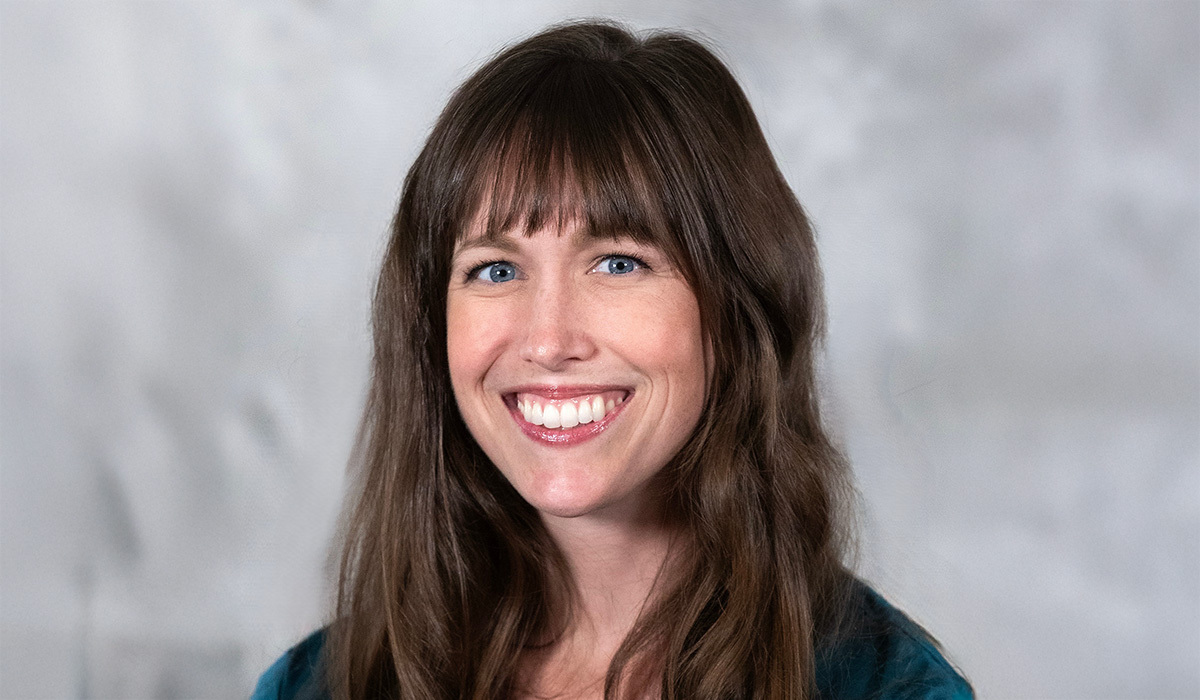
“If you can intervene really early in someone’s life and make their life better from that point, that change in the trajectory of their quality of life is huge,” says Jackie Lajiness, MD, PhD, an RCF Scholar focused on neonatology.
RCF Scholars are cutting-edge pediatric faculty in the Indiana University School of Medicine who receive funding for professional development and training, including mentorship and protected time to focus on innovative research projects. With the generous support of Riley Children’s Foundation donors, RCF Scholars will continue to push Riley research to new heights.
In her research, Dr. Lajiness hopes to learn more about the root causes of prematurity and how changes in the mother’s immune system affect fetal development, especially in the absence of an infection. Regulatory T cells are immune cells in a mother’s immune system that typically tolerate the growing fetus. In a mouse model, removing those cells during the third trimester leads to babies being born early. Dr. Lajiness looks at how the mother’s immune system changes without the regulatory T cells and how that leads to delivery.
“The goal is two-fold,” she explains. “One is to earlier identify moms who are undergoing this change that is tipping them towards pre-term delivery, and then two would be to see if we can actually intervene and stop that process.” Premature babies can face serious health problems that stay with them long after they leave the NICU, and early intervention is key to better outcomes. Interventions can begin before delivery, such as giving the mother steroids to help the baby’s lungs develop.
Dr. Lajiness emphasizes the long-term impact donors can have on local babies and moms when they invest in research like hers. “Where we are in terms of what we do to help take care of patients – a lot of that stems from work that was done in basic science research laboratories,” she explains. “The actual day-to-day progress in research can feel underwhelming, but on a grand scale, the good that it does is just incomparable.”
Dr. Lajiness also notes how her experience as a researcher translates to better bedside care for her patients. “My research makes me a better neonatologist – I evaluate evidence differently, and that impacts how I’m able to care for my patients,” she says. “At the same time, my experience taking care of babies is what drives my research. The synergy of having both those experiences is a critical part of how I identify as a physician-scientist and take care of patients.”
“Every child deserves the best care possible,” Dr. Lajiness says. “Being able to affect those very first hours, days, months of their life really means a lot to me, and anything I can do to make that better is my purpose.”
Sign up for our newsletter
Join 140,000 Riley supporters receiving the latest news, updates and uplifting Riley kid stories in their inbox once every week.