Posted at: February 10, 2026
Last Updated: February 10, 2026
Optimizing neurodevelopmental outcomes at Riley Children's Health
Optimizing neurodevelopmental outcomes at Riley Children's Health
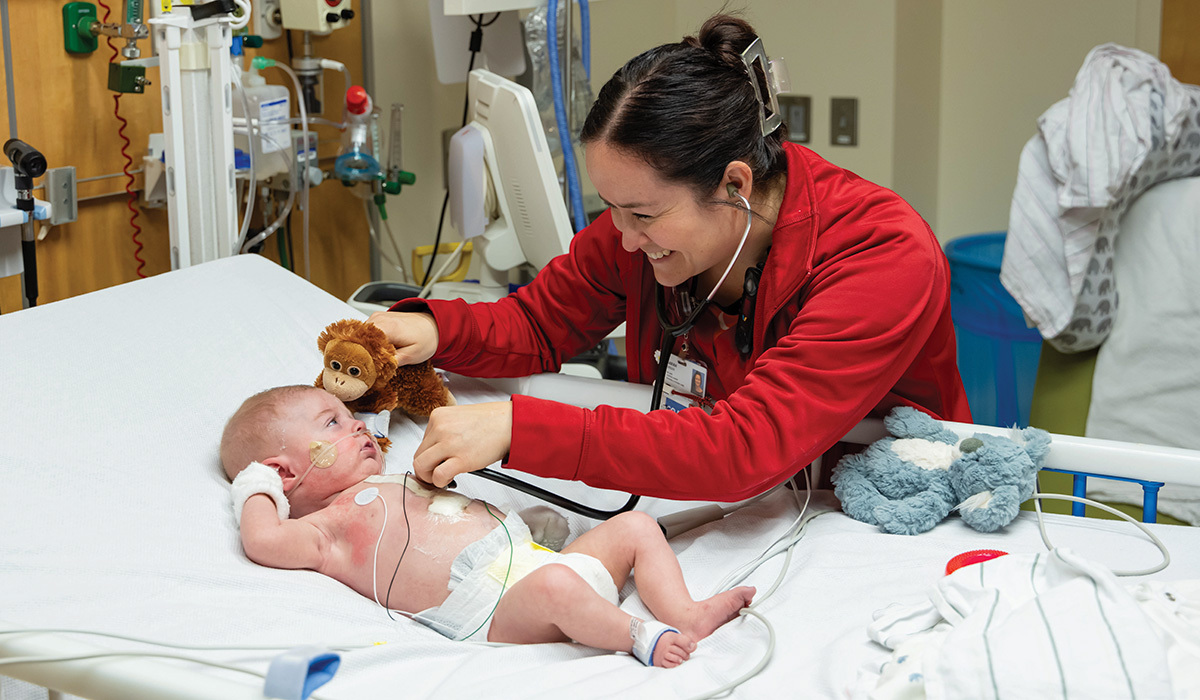
The Riley Cardiac Neurodevelopmental Program shares a message with Riley Children's Foundation donors
Every day, especially during American Heart Month, our team across Riley Children’s Health thinks about how we can best serve children and families living with congenital heart disease. We ask ourselves: What gaps can we address to ensure we’re caring for the whole child?
While focusing on physical health is critical, we also want to optimize the neurodevelopmental outcomes for our children.
Research shows that children with congenital heart disease have a higher chance of experiencing developmental delays, learning differences, and emotional or behavioral challenges. This means we must be proactive in identifying and addressing any challenges that our patients may experience, from thinking and learning to emotions, behaviors and social relationships.
At Riley, we are committed to improving the neurodevelopmental outcomes for children with congenital heart disease. Every child deserves the support they need to reach their full potential. To this end, our Early Years Program, Pediatric Cardiac Psychology, Pediatric Neuropsychology, and Educational Liaison teams have collaborated with the Pediatric Cardiology Division to create the Riley Cardiac Neurodevelopmental Program, which helps connect families with neurodevelopmental assessments and developmental, psychological, and school-based services. The Cardiac Neurodevelopmental Program is also working on developing innovative clinical processes for supporting children’s development both in their communities and here in the hospital.
Meet the Riley Cardiac Neurodevelopmental Team
"Research and experience have taught us that our patients are more likely to experience developmental delays. It has also taught us that we can minimize or eliminate those delays with early intervention. By partnering with families and our developmental team, we can help these children live up to their full potential and thrive."
"The Early Years Program provides neurodevelopmental follow-up care for Riley’s most vulnerable infants and young children, including those with congenital heart disease. As a pediatric developmental psychologist, I see children with congenital heart disease in the toddler years (2-3 years old) for neurodevelopmental assessment. At these visits, I assess a child’s cognitive, communication, and motor skills as well as their behavior, social skills, and emotional regulation. Together, the family and I work together to make sure the child has all the supports they need to reach their full potential. Children with congenital heart disease often benefit from early intervention therapies, including physical therapy to address gross motor delays, occupational therapy for fine motor delays or sensory differences, or speech therapy to address feeding or communication challenges. Some children also need behavioral support, help getting started in the developmental preschool system, autism evaluation, or medical referrals. I help families determine what services will benefit their child and access these services in the way that best suits the family’s specific needs. My primary goal is for families to understand their child’s strengths and needs and to feel empowered to advocate for their child within the healthcare and education systems."
"As a pediatric cardiac psychologist, I am often consulted by a child’s cardiologist to talk with families about their child’s neurodevelopmental, emotional/behavioral, and social needs. I have worked with a number of families who shared about their child’s struggles in school and the challenges of getting school-based services for their child. I have been able to connect these children with my colleagues in the Pediatric Neuropsychology Clinic for comprehensive neurocognitive assessments, and I have worked alongside families and our Educational Liaison to advocate for recommended services based on the neuropsychological assessment results. I also work with children and their families on coping with and managing their congenital heart disease so that they can focus on pursuing what is important in their lives."
"I often tell families who arrive for our pediatric neuropsychological evaluations that our job is to be their expert consultant for the day. We want to help them understand how their child’s brain works; how it thinks about information, how it processes emotions, and how it helps them make decisions about behavior. We know that cardiac disease can impact how youths’ brains grow and develop, and our individual appointments are geared toward understanding how an individual child’s history has contributed to their unique learning style. It’s our job to 'take a full tour of the brain' and identify how well isolated skills are working, and how well those isolated skills work together to accomplish more complex thinking tasks. With this information, we can help families make decisions about school supports, options for emotional/social development, and life planning, including transition to adulthood."
"As a teacher, I understand how important it is to have as much information as possible in order to provide individualized lessons to each child. Neurodevelopmental and neuropsychological evaluations provide invaluable information to educators and help guide schools in providing the perfect IEP or 504 Plan for a child. I am so happy to be able to help educate and help guide parents in having their children complete neuropsychological evaluations as early as possible to get proper accommodations in place to help children succeed. I also guide schools as they develop IEPs and 504 Plans for children who need them and facilitate children’s return to school after cardiac surgeries or other hospitalizations."
"I am very grateful to the donors who make my work possible. As the Data Registry and Process Improvement Coordinator for the Cardiac Neurodevelopmental Outcomes Collaborative (CNOC) at Riley, I work to improve access to care for neurodevelopmental evaluations for our patients, while also abstracting data from clinic visits for entry into the registry. At a recent CNOC Conference, our “Ready or Referral? Increasing School Age Readiness Referrals at Riley” project was selected for a poster presentation. This process includes partnering with Riley Cardiology to increase referrals for patients who may benefit from a neuropsychological evaluation prior to starting kindergarten, ensuring we set our patients up for success at a big transition point in their lives. The framework for this program has been replicated to increase referrals and evaluations for heart transplant recipients and younger heart patients who are followed by developmental pediatrics."
As a Cardiac Neurodevelopmental Outcomes Collaborative (CNOC) member, Riley is one of 52 institutions across the U.S., and the only one in Indiana, dedicated to improving neurodevelopmental outcomes for kids with congenital heart disease. Following CNOC and American Heart Association recommendations, over 200 cardiac patients at Riley have had neurodevelopmental assessments through the Early Years Program or the Riley Neuropsychology Clinic. Based on these assessments, most patients receive new recommendations or referrals that help them succeed at home and in school. The Riley Cardiac Neurodevelopmental Program continues to work on increasing access to these assessments for cardiac patients who may benefit.
Your investment helps us raise the standard of our patients’ quality of life.
Sign up for our newsletter
Join 140,000 Riley supporters receiving the latest news, updates and uplifting Riley kid stories in their inbox once every week.